Step-by-Step Guide to Developing Android and iOS Apps
From idea to App Store: the ten steps to develop a successful Android and iOS app — planning, native vs. cross-platform, design, APIs, testing, launch and maintenance.
 MYN TeamMeets Your Need
Mobile apps have become part of daily life, and a good app can open new revenue, loyalty and convenience for your customers. This guide walks through the process of developing apps for both Android and iOS.
Step 1: Define your app idea
Identify the problem your app solves and who it is for. Research competing apps, read their reviews and note what users complain about. Sketch wireframes of the main screens to visualise the idea.
Step 2: Plan the architecture
List the features for the first version, then cut the list to what proves the idea. Decide which APIs and SDKs you need (payments, maps, notifications, analytics) and draw a user-flow diagram showing how people move through the app.
Step 3: Choose the development approach
- Native development — Kotlin for Android and Swift for iOS. The best performance and full access to device features, but two codebases.
- Cross-platform development — Flutter or React Native build both apps from one codebase. Faster and more economical for most business apps, with near-native performance.
For most companies, cross-platform is the right start; native makes sense for heavy graphics, advanced hardware use or very large apps.
Step 4: Set up the development environment
Android Studio for Android, Xcode (on macOS) for iOS, plus the SDKs, emulators and real test devices you will need.
Step 5: Write the code and build features
Follow Google’s and Apple’s guidelines, keep the code modular and tested, and build the backend at the same time: APIs, an admin dashboard and a database the app talks to.
Step 6: Integrate APIs and SDKs
Add payment gateways, maps and location, push notifications, social login and analytics. Read each provider’s documentation carefully — most production bugs live in integrations.
Step 7: Design the user interface
Good design is clear, consistent and accessible. Follow Material Design and Apple’s Human Interface Guidelines, and if your users read Arabic, design a true right-to-left layout from the start. Tools such as Figma make it easy to prototype and test before coding.
Step 8: Test thoroughly
Test features, performance and compatibility on different devices, screen sizes and OS versions. Use automated tests, then run a beta (TestFlight and Google Play internal testing) with real users.
Step 9: Publish to the stores
Create Google Play and Apple Developer accounts, prepare screenshots, descriptions, privacy details and keywords (App Store Optimization), and submit for review.
Step 10: Maintain and update
Monitor crashes, reviews and analytics, fix bugs quickly, and ship regular updates — especially after new Android and iOS releases.
Build your app with MYN
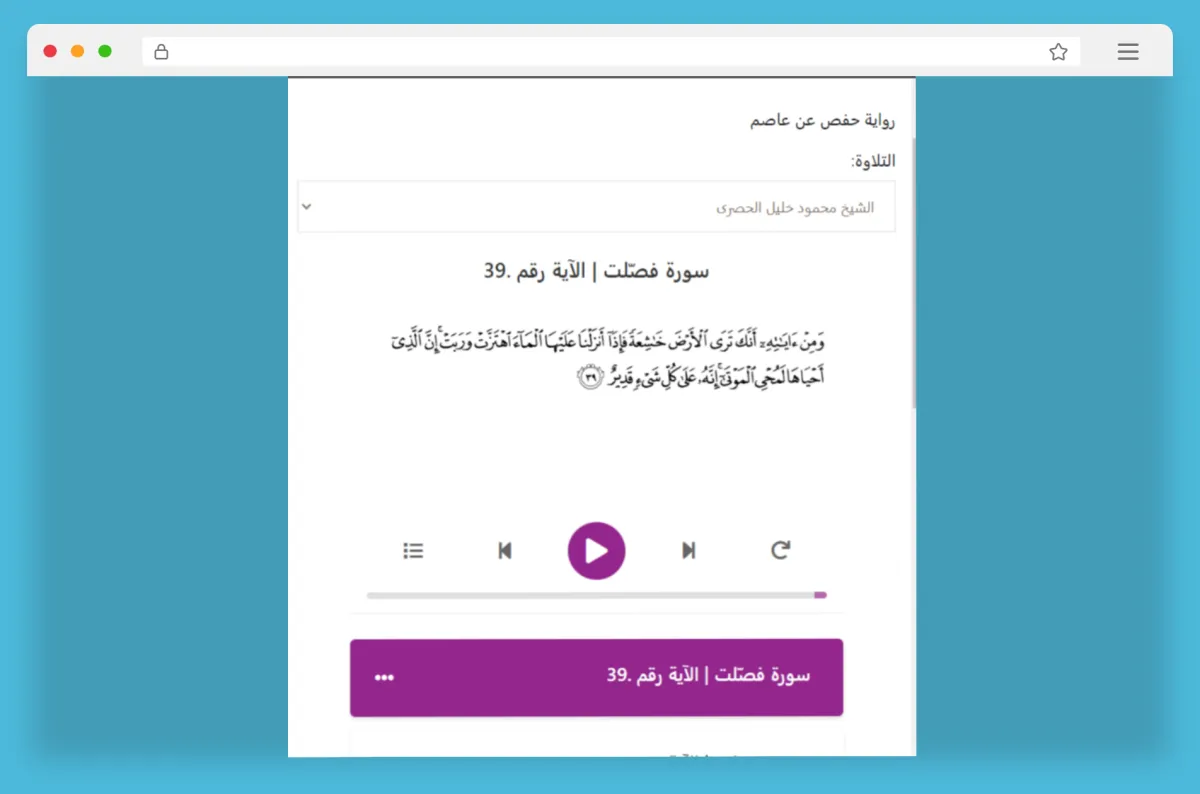
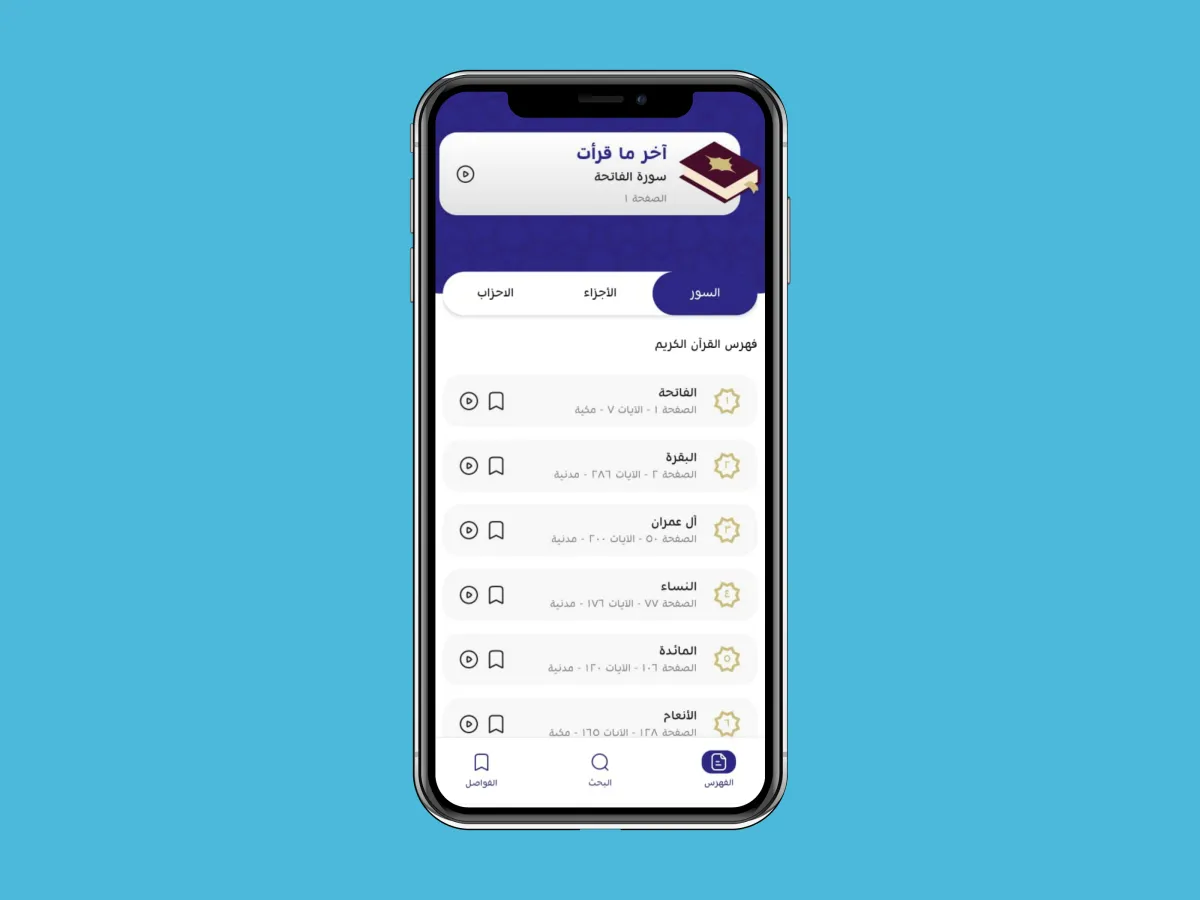
We build mobile apps for Android and iOS — including Quran apps such as Mushaf Al-Aqsa. Share your idea for a free estimate.
- #mobile apps
- #Android
- #iOS
- #Flutter